
by Adam Hochschild , Arthur Morey
 (41)Buy new: $34.99 $25.54
 22 used & new from $19.49(Visit the Bestsellers in History list for authoritative information on this product's current rank.)
Product Description
World War I stands as one of history’s most senseless spasms of carnage, defying rational explanation. In a riveting, suspenseful narrative with haunting echoes for our own time, Adam Hochschild brings it to life as never before. He focuses on the long-ignored moral drama of the war’s critics, alongside its generals and heroes. Thrown in jail for their opposition to the war were Britain’s leading investigative journalist, a future winner of the Nobel Prize for Literature, and an editor who, behind bars, published a newspaper for his fellow inmates on toilet paper. These critics were sometimes intimately connected to their enemy hawks: one of Britain’s most prominent women pacifist campaigners had a brother who was commander in chief on the Western Front. Two well-known sisters split so bitterly over the war that they ended up publishing newspapers that attacked each other. Today, hundreds of military cemeteries spread across the fields of northern France and Belgium contain the bodies of millions of men who died in the “war to end all wars.” Can we ever avoid repeating history?
World War I stands as one of history’s most senseless spasms of carnage, defying rational explanation. In a riveting, suspenseful narrative with haunting echoes for our own time, Adam Hochschild brings it to life as never before. He focuses on the long-ignored moral drama of the war’s critics, alongside its generals and heroes. Thrown in jail for their opposition to the war were Britain’s leading investigative journalist, a future winner of the Nobel Prize for Literature, and an editor who, behind bars, published a newspaper for his fellow inmates on toilet paper. These critics were sometimes intimately connected to their enemy hawks: one of Britain’s most prominent women pacifist campaigners had a brother who was commander in chief on the Western Front. Two well-known sisters split so bitterly over the war that they ended up publishing newspapers that attacked each other. Today, hundreds of military cemeteries spread across the fields of northern France and Belgium contain the bodies of millions of men who died in the “war to end all wars.” Can we ever avoid repeating history?
Take a Look Inside To End All Wars
(Click on Images to Enlarge)
 Passchendaele, the battle that cost British forces more than 260,000 dead and wounded | 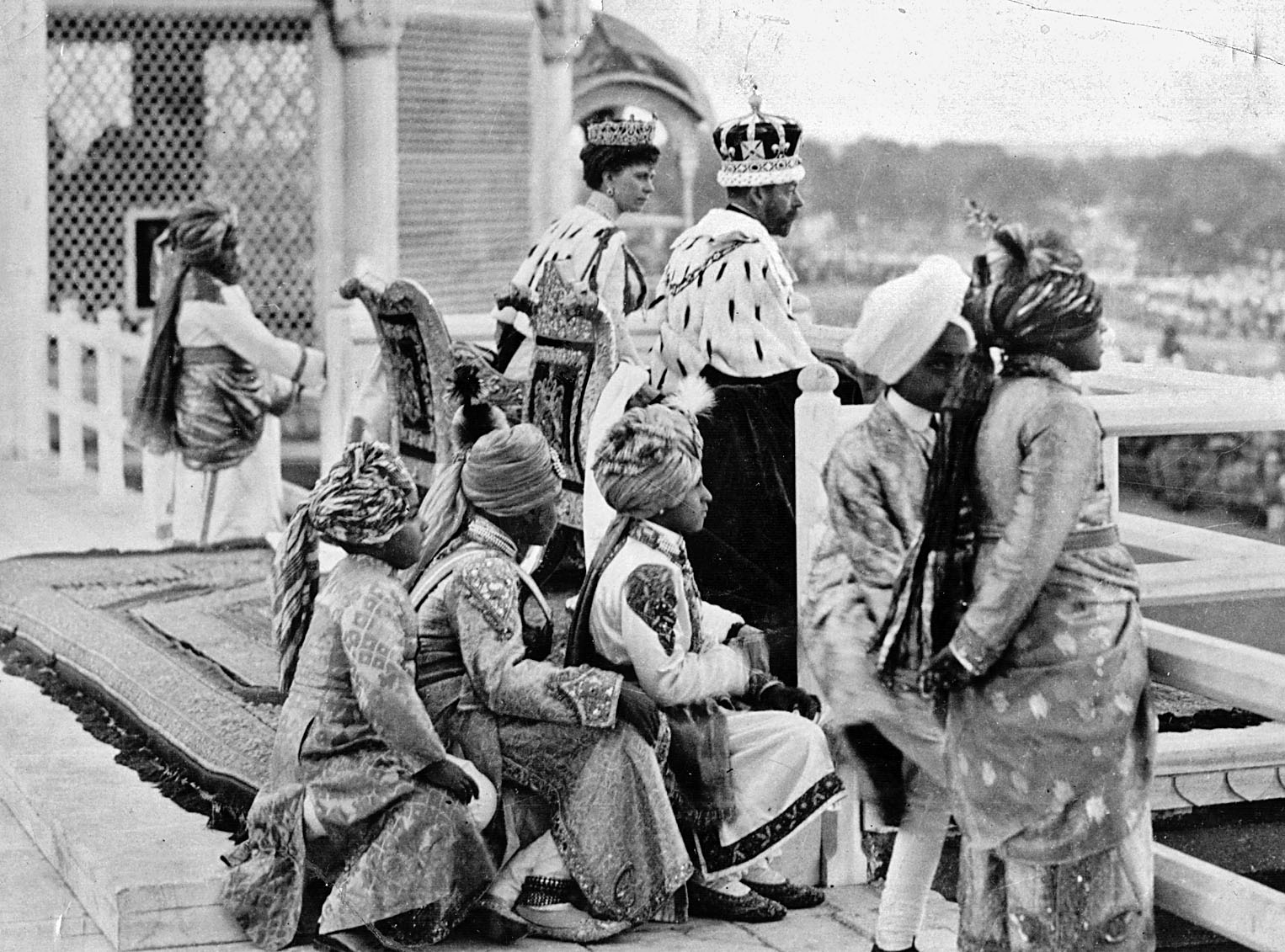 King George V and Queen Mary in Delhi |
 Emmeline Parkhurst, under arrest |  John S. Clark, from circus animal tamer to underground antiwar activist | 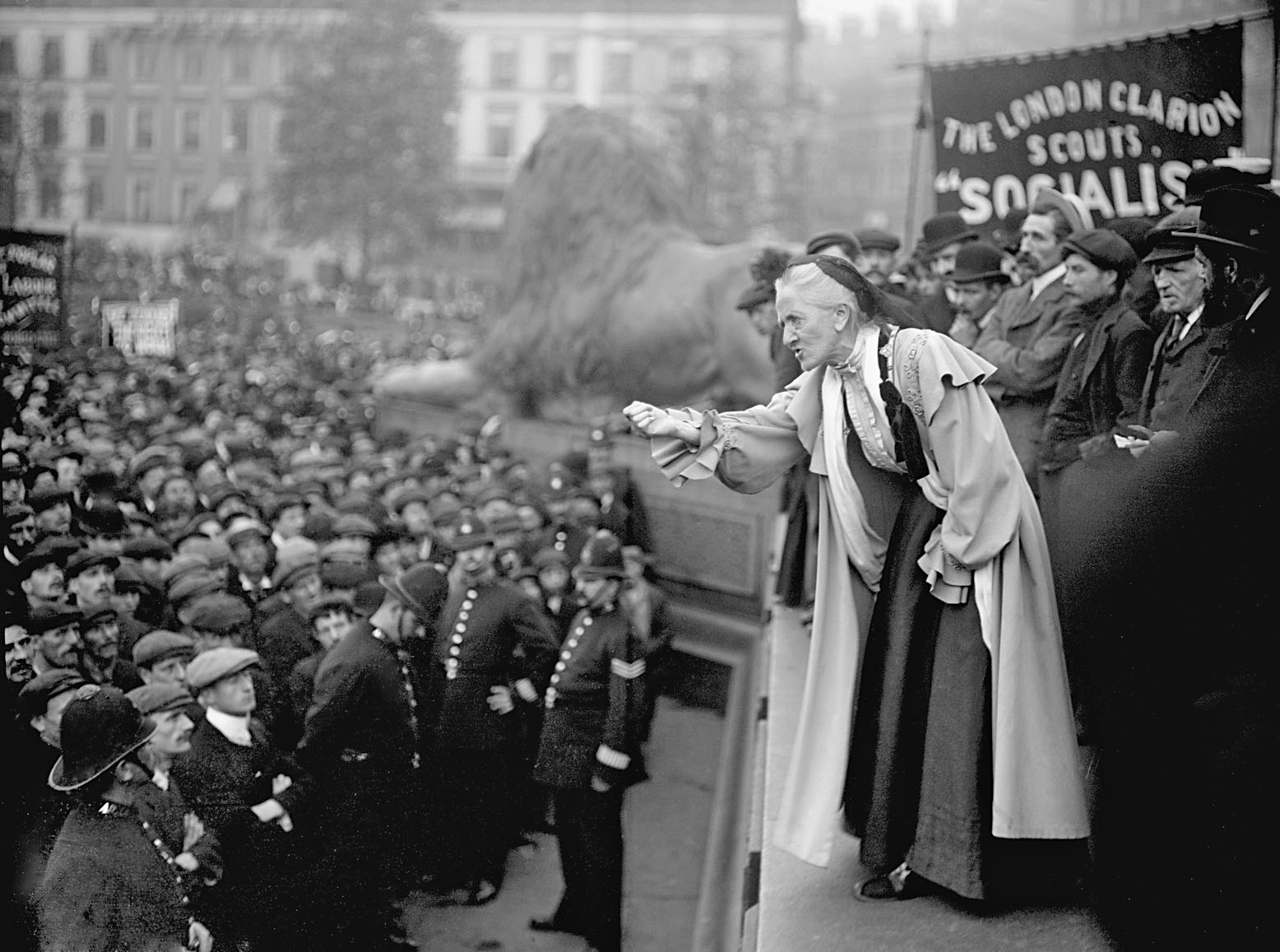 Charlotte Despard, suffragette, prison veteran, pacifist, communist, IRA supporter |
Starred Review. WWI remains the quintessential war-unequaled in concentrated slaughter, patriotic fervor during the fighting, and bitter disillusion afterward, writes Hochschild. Many opposed it and historians mention this in passing, but Hochschild, winner of an L.A. Times Book Award for Bury the Chains: Prophets and Rebels in the Fight to Free an Empire's Slaves, has written an original, engrossing account that gives the war's opponents (largely English) prominent place. These mostly admirable activists include some veteran social reformers like the formidable Pankhursts, who led violent prosuffrage demonstrations from 1898 until 1914, and two members of which enthusiastically supported the war while one, Sylvia, opposed it, causing a permanent, bitter split. Sylvia worked with, and was probably the lover of, Keir Hardie, a Scotsman who rose from poverty to found the British Labor party. Except for Bertrand Russell, famous opponents are scarce because most supported the war. Hochschild vividly evokes the jingoism of even such leading men of letters as Kipling, Conan Doyle, H.G. Wells, and John Galsworthy. By contrast, Hochschild paints equally vivid, painful portraits of now obscure civilians and soldiers who waged a bitter, often heroic, and, Hochschild admits, unsuccessful antiwar struggle. (May)
(c) Copyright PWxyz, LLC. All rights reserved. --This text refers to the Hardcover edition.
. Read more(c) Copyright PWxyz, LLC. All rights reserved. --This text refers to the Hardcover edition.


No comments:
Post a Comment